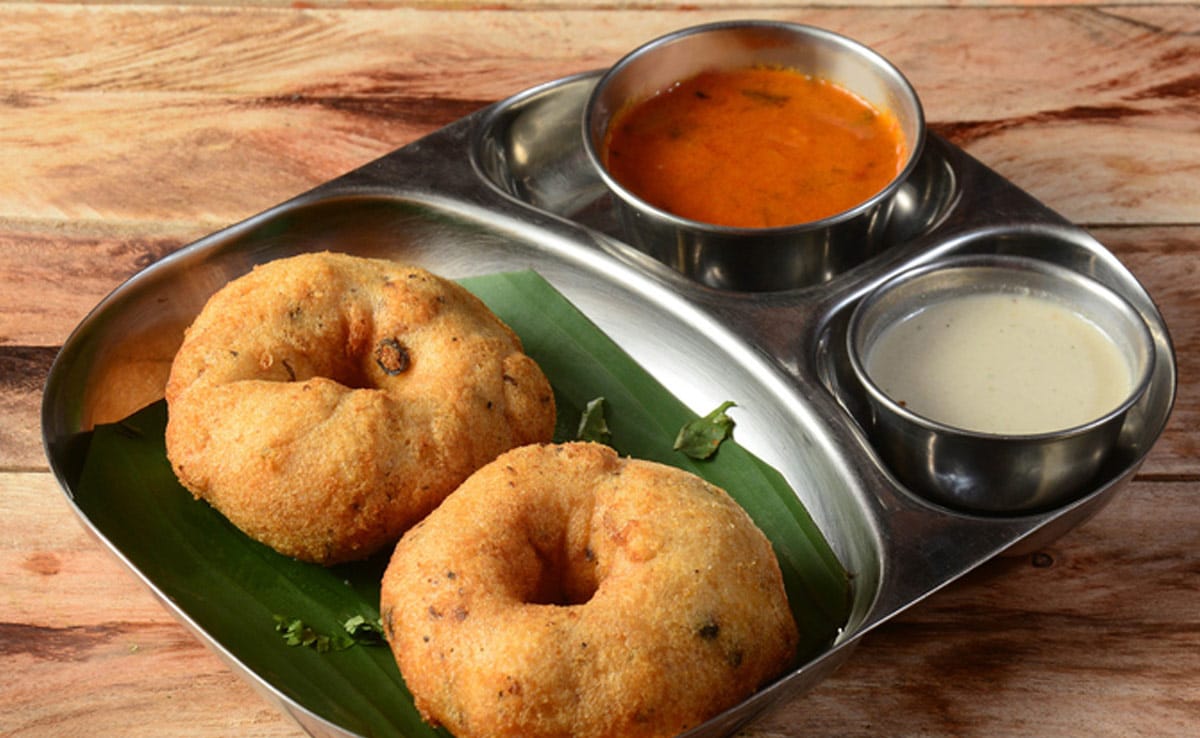
The Perfect Medu Vada: Fluffy Indian Donuts
Medu vadas are the beloved Indian donuts that delight our taste buds with their crispy exterior and fluffy interior. They are not only a delicious snack but also a beautiful representation of Indian culture and cuisine. Let’s dive into the recipe and share some cooking tips to ensure your medu vadas come out perfectly!
Ingredients
- 2 cups urad dal (split black gram)
- Water (for soaking and blending)
- 1-2 green chillies, finely chopped
- 1-inch piece of ginger, grated
- 1-2 tablespoons fresh coriander, chopped
- ½ teaspoon black pepper powder
- ½ teaspoon asafoetida (hing)
- ½ teaspoon cumin seeds (jeera)
- 2 tablespoons rice flour (optional for extra crispiness)
- Salt to taste
- Oil for frying
Step-by-Step Method
-
Soak the Urad Dal: Begin by soaking 2 cups of urad dal in water for 4-5 hours. This helps in softening the dal and makes it easier to grind.
-
Prepare the Batter: Drain the soaked dal and transfer it to a blender. Add a small amount of water (1-2 tablespoons) to aid in blending. Add chopped green chillies, grated ginger, and a few curry leaves for flavor. Blend to form a semi-smooth batter; it should not be too thin or too thick.
-
Mix in Ingredients: Transfer the batter to a mixing bowl. Add chopped coriander, black pepper powder, asafoetida, cumin seeds, and salt. If you wish for extra crispiness, mix in 2 tablespoons of rice flour. Combine all the ingredients well using your hands, mixing in one direction for about 5-6 minutes until the mixture becomes light and fluffy.
-
Test the Batter: To check if your batter is ready, take a small amount and drop it into a bowl of water. If it floats, it indicates that the batter is well-aerated and ready to fry.
-
Frying the Vadas: Heat oil in a pan over medium heat. Once the oil is hot, take a small portion of the batter and shape it into a donut with a hole in the center, then gently drop it into the hot oil. Fry until golden brown on both sides, maintaining a medium-high flame for even cooking.
-
Double Frying for Crispiness: For extra crunch, fry the vadas until they are half done, then remove them and let them cool slightly before frying again until they are perfectly crispy and golden.
-
Serve Hot: Once the vadas are done, remove them from the oil and place on paper towels to absorb excess oil. Serve them hot with coconut chutney or sambar.
Cooking Tips & Variations
- Mixing: Always mix the batter in one direction to incorporate air, which helps in achieving the perfect fluffy texture.
- Additions: You can experiment with ingredients like finely chopped onions, corn, or other vegetables. However, be cautious as these may release moisture and affect the texture.
- Shape Techniques: If you’re new to shaping vadas, you can use a wet palm to shape them or try making them on a banana leaf or with a ladle for easier handling.
Serving Suggestions
Medu vadas are best enjoyed hot, paired with:
- Sambar (a spicy lentil soup)
- Coconut chutney
- Yogurt (curd) for a refreshing touch
Storage Instructions
- Short-Term: Medu vadas are best served fresh but can be stored in an airtight container at room temperature for up to 2 days.
- Reheating: Reheat them in an oven or microwave briefly before serving to restore some crispiness.
Nutrition Information
One serving (1 vada) contains approximately:
- Calories: 100-120
- Protein: 5g
- Carbohydrates: 15g
- Fat: 3g
- Fiber: 3g
FAQs
What is the main ingredient in medu vada?
The primary ingredient is urad dal (split black gram), which contributes to the vada’s texture and flavor.
Can I use other pulses instead of urad dal?
Yes, but urad dal is traditionally used for its unique flavor and texture. Other pulses can alter the outcome.
Why do we soak the dal?
Soaking the dal softens it, making it easier to blend into a creamy batter for frying.
How can I make my vadas crispy?
Double frying them and mixing a small amount of rice flour can help achieve extra crunchiness.
What can I serve with medu vada?
They are commonly served with sambar, coconut chutney, and sometimes yogurt.
Can I make medu vada in advance?
While they are best served fresh, you can make them in advance and reheat them before serving.
Can I add vegetables to the batter?
Yes, but be mindful of moisture content which can affect the batter consistency.
What’s the significance of the hole in medu vada?
The hole helps in even cooking and allows the heat to penetrate, ensuring a perfectly cooked center.
Can I freeze medu vada?
Yes, freeze them un-fried. Thaw before frying for freshness.
Is medu vada gluten-free?
Yes, medu vada is gluten-free, making it suitable for gluten-sensitive individuals.
