Crispy Chora Phali: A Delightful Snack from Gujarat
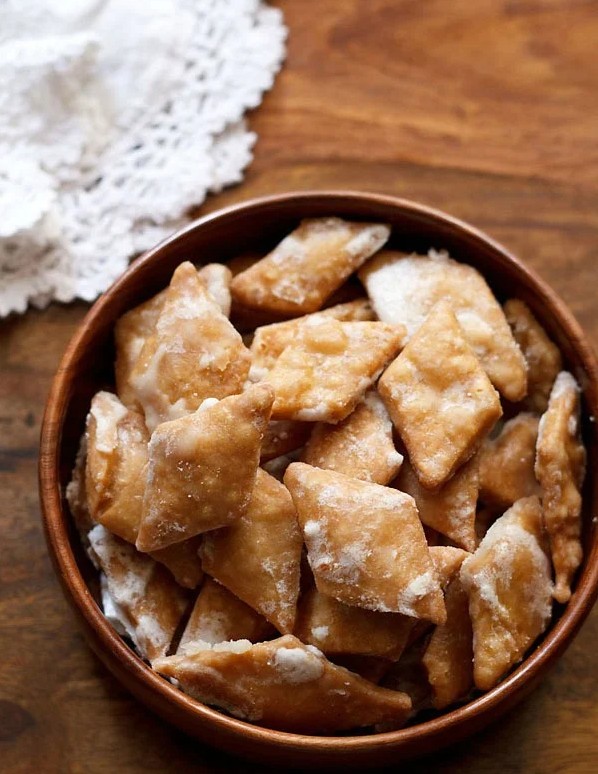
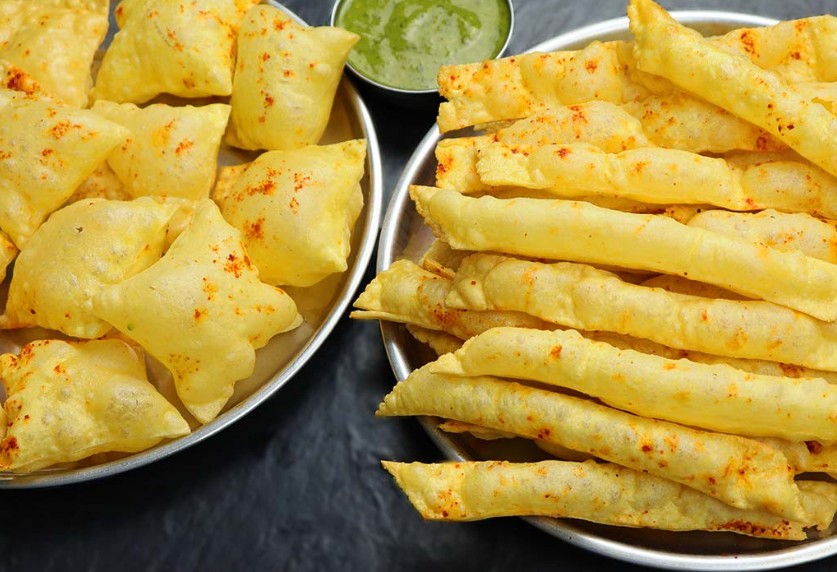
Chora Phali, also known as Chora Phali Phaphra, is a delectable Gujarati snack that is crispy and flavorful. This simple yet delightful treat is perfect for festive occasions or as a snack anytime you crave something savory.
Ingredients
- 1 cup gram flour (besan) – 100 grams
- ½ cup urad dal flour – 50 grams
- ½ cup salt – or to taste
- Oil – for kneading and frying
- ½ tsp sodium bicarbonate (or baking soda)
- ½ tsp black salt
- ½ tsp red chili powder
Step-by-Step Method
-
Kneading the Dough: Start by mixing sodium bicarbonate in ¼ cup of lukewarm water until dissolved. In a mixing bowl, combine the gram flour and urad dal flour. Add 2 tablespoons of oil and salt to the flour mixture. Slowly add the dissolved sodium bicarbonate water while mixing, until the mixture starts to come together.
-
Prepare the Dough: Gradually add more water as needed to form a hard dough similar to that used for making poori. Knead the dough for approximately 8-10 minutes until it’s smooth and slightly greasy. For a softer dough, some may use a rolling pin for additional kneading.
-
Forming Balls: Once the dough is soft, divide it into small balls, each about 1 inch in size. Roll each ball gently with your hands to smooth it out. Lightly oil your hands to prevent sticking.
-
Rolling Out: On a rolling board, flatten each ball into a thin disc of about 4 to 4.5 inches in diameter. Dust the board and rolling pin with a little oil to avoid sticking. Once rolled, cut the discs into strips of about ½ cm wide and set them aside.
-
Frying the Chora Phali: Heat oil in a pan over medium heat. Once the oil is hot, add the chora strips one by one. Ensure they float to the surface, indicating the oil is adequately heated. Fry until they turn golden brown, flipping them to achieve even cooking.
-
Finishing Touches: Once all chora phali are fried, sprinkle some black salt and red chili powder over them while they’re still hot for added flavor. Your crispy chora phali is now ready to be served!
Cooking Tips & Variations
- For added flavor, experiment with spices like cumin or ajwain in the dough.
- You can shape the chora phali into small circles or triangles as well.
- To make it even crispier, you can fry them twice.
Serving Suggestions
Chora phali can be enjoyed as a snack on its own or served with mint chutney, tamarind chutney, or even a side of yogurt. They’re great for tea time or as a crunchy addition to your festive meals.
Storage Instructions
Allow the chora phali to cool completely after frying, then store them in an airtight container. They can be enjoyed for up to a month. Make sure to keep them in a cool, dry place to maintain their crunchiness.
Nutrition Information
Chora phali can be a nutritious snack if consumed in moderation, as it is rich in proteins due to the gram flour and urad dal. However, it’s advisable to be mindful of the oil used for frying.
FAQs
What is Chora Phali?
Chora Phali is a crispy snack made primarily from gram flour and urad dal flour, popular in Gujarat, India.
How long can I store Chora Phali?
You can store Chora Phali in an airtight container for up to a month.
What can I serve with Chora Phali?
It pairs well with mint chutney, tamarind chutney, or yogurt.
Is Chora Phali spicy?
The spice level depends on the amount of red chili powder added; you can adjust it to your taste.
Can I bake Chora Phali instead of frying?
While frying is traditional, you can try baking them for a healthier version, but the texture will differ.
What are other names for Chora Phali?
It is also known as Chora Phali Phaphra in some regions.
Is it gluten-free?
This recipe is generally gluten-free, but always check individual ingredients.
What type of oil is best for frying?
Oil with a high smoke point such as vegetable oil, canola oil, or peanut oil is best for frying.
Can I add vegetables to the dough?
Yes, shredded vegetables like carrots or spinach can be added for extra flavor and nutrition.
How do I make Chora Phali less oily?
Ensure the oil is hot enough before frying to prevent excessive oil absorption.**