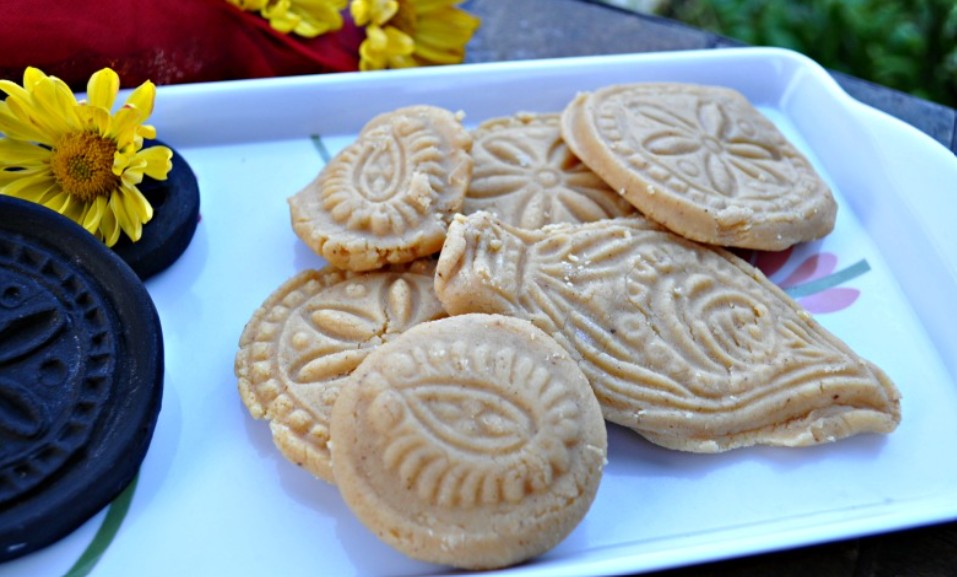
Khirer Sandesh: A Creamy Bengali Dessert for Durga Puja
As Durga Puja approaches, many of us seek a special sweet to share with family and to offer as a gesture of love. Khirer sandesh, a classic Bengali favorite, blends milk, khoya, and cardamom into a creamy, melt-in-the-mouth dessert that feels festive yet comforting. This recipe uses simple pantry staples—full-cream milk, khoya, sugar, elaichi, rice flour, and a touch of ghee—to create a silken treat perfect for Puja gatherings.
Ingredients
- 1 liter full-cream milk
- 250 grams khoya (khoya or khoa, finely crumbled)
- 1/2 cup sugar, or to taste
- 1 teaspoon elaichi (cardamom) powder
- 1 teaspoon rice flour (chawal ka atta)
- 1 teaspoon ghee, plus a little more to grease molds and hands
- Optional: a few drops of warm milk if the mixture becomes too thick during shaping
- Molds or small conical/round molds, lightly greased with a touch of ghee
Tools that help
- A nonstick kadai or heavy-bottomed pan helps prevent scorching and sticking
- A wide spatula for steady stirring
- A clean surface to cool and shape the sandesh
- Small molds, such as traditional conch-shell shapes or simple rounds, to set the finished sandesh
Step-by-Step Method
1) Start with the milk in a nonstick pan. Heat gently and bring to a gentle boil, then reduce the flame to low or medium-low and let it simmer. The goal is to reduce the milk by roughly half, which concentrates its flavors and thickens the mixture naturally. Throughout this process, patience is essential. Do not rush the reduction—the slow simmer is what creates the creamy base for the sandesh.
2) While the milk reduces, you want to keep the sides of the pan clean. The liquid tends to cling to the pan’s edges, and as it thickens, that coating on the sides must be scraped back into the milk. This step is key to ensuring an even texture without grains or uneven lumps later on.
3) Once the milk has reduced and thickened to a creamy consistency, add the crumbled khoya. It is important to keep the heat low and to stir continuously as the khoya melts and blends with the milk. The goal is to achieve a smooth, uniform mixture with no visible graininess. You will notice the mixture thickening as the khoya melds with the milk solids.
4) When the khoya has completely integrated and the mixture looks glossy and cohesive, begin to add the sweetness. Pour in the half cup of sugar gradually, stirring constantly. Sugar can thin the mixture momentarily as it dissolves, so keep the pace steady and taste as you go to ensure you reach your preferred level of sweetness. Most Bengali versions lean toward a gentle sweetness, not overly sweet, allowing the cardamom to sing and the khoya to shine.
5) After the sugar is well incorporated, sprinkle in the elaichi powder. This aromatic spice brings warmth and depth, balancing the richness of the khoya and milk. Stir well to distribute the flavor evenly.
6) Now add the rice flour. The small amount of rice flour acts as a binder and helps create a silkier, smoother texture. It also helps keep the sandesh pliable as it cools, so your shapes won’t crumble. Stir until the flour is fully incorporated and the mixture shows a satin-like sheen.
7) At this point, the mixture is rich and richly fragrant, but it still needs a touch of fat to achieve that melt-in-the-mouth tenderness. Add a teaspoon of ghee and stir vigorously for a few moments. The ghee lends a subtle gloss and a soft mouthfeel, enriching every bite while keeping the sandesh light enough to enjoy in multiple pieces.
8) The cooking and stirring phase is the core of the recipe. You want to continue to cook on a low flame for another three to four minutes after adding the ghee, until the texture is thick but not stiff, and the surface shows a gentle, even sheen. To test readiness, pinch a small portion between your fingers. If the dough holds together softly but still feels pliable and warm, it is ready. If it remains too soft and sticky, give it another minute or two on low heat, then test again.
9) When the mix has reached the right state, transfer it to a greased plate or a shallow tray. Allow it to cool just enough to handle, then begin the shaping process. The traditional method is to roll small portions into smooth balls or ovals and then press them into lightly greased molds to create decorative patterns. If you do not have fancy molds, you can shape the sandesh into neat rounds or small cylinders and then gently press to flatten slightly.
10) For an even more refined finish, grease the inside of each mold with a touch of ghee and press the cooled sandesh into the molds. Release carefully to reveal a clean, elegant pattern. If you have several molds, you can create a small collection of shapes such as conch shells, discs, or little hexagonal blocks. This variety adds visual appeal and makes for a beautiful platter for Puja offerings or festive gatherings.
11) Allow the sandesh to cool completely once molded. They will firm up a touch as they rest, but they should remain soft and creamy at the center. If you are preparing them ahead of time for a Puja celebration, you can refrigerate them briefly after they have cooled and set. Before serving, bring them to room temperature for a moment to restore their softness and aroma.
Texture, Tips & Variations
Texture and Silkiness
The rice flour acts as a gentle binder, helping the mixture achieve a silky, smooth texture that stays soft even after cooling. The slow reduction of milk concentrates the flavors, while the khoya adds body and a luxurious mouthfeel. A final touch of ghee provides a subtle gloss and a melt-in-the-mouth finish.
Molds and Presentation
Traditional Shankha sandesh shapes are visually striking and tie the dessert to Bengali festive aesthetics. If fancy molds are unavailable, simple rounds, discs, or small cylinders still look elegant when arranged on a platter. Lightly greasing molds with ghee prevents sticking and helps release the shapes cleanly.
Serving Suggestions
- Serve at room temperature or slightly chilled for a refreshing bite.
- Garnish with a whisper of saffron strands or finely chopped pistachios for color and aroma.
- Arrange in a decorative platter with a mix of shapes to enhance the festive appeal during Durga Puja.
Storage & Make-Ahead
- Store in an airtight container in the refrigerator for up to 2–3 days. The desserts will firm slightly when chilled but should be brought to room temperature before serving to regain their velvety center.
- If making ahead for Puja, you can shape and chill the sandesh in advance; bring to room temperature before serving for best texture.
Nutrition Information
Khirer sandesh is rich in calcium and protein from milk and khoya. It contains fats from full-cream milk and ghee, contributing to its luxurious mouthfeel. This dessert is flavorful and satisfying, but portions should be mindful if you are watching daily fat or sugar intake.
FAQs
What is khirer sandesh?
Khirer sandesh is a creamy Bengali dessert made by reducing milk with khoya, sweetened and scented with cardamom, then set into soft, melt-in-the-mouth shapes.
Can I skip the rice flour?
Rice flour acts as a binder to improve texture and pliability. If you omit it, the sandesh may still set but could be softer and more prone to crumbling.
Can I use store-bought khoya?
Yes, store-bought khoya can be used; ensure it is finely crumbled for smooth integration with the milk.
Is this recipe vegan?
No. The recipe relies on dairy milk and khoya, which are animal-derived ingredients.
How long does it take to reduce the milk?
The reduction typically requires around 20 to 25 minutes of steady, low-heat simmering, depending on the pan and flame.
Can I mold the sandesh without molds?
Yes. If molds are unavailable, shape into neat rounds or small cylinders and gently flatten to create a simple, elegant finish.
Can I flavor with saffron?
A few saffron strands can be added with the cardamom for a fragrant variation, though traditional cardamom is classic.
How should I store leftover sandesh?
Store in an airtight container in the refrigerator and consume within a couple of days for best texture and aroma.
Can I freeze khirer sandesh?
Freezing is not ideal, as the texture may change upon thawing. It’s best enjoyed fresh or after short refrigeration.
What is the ideal texture of sandesh?
The ideal texture is soft, creamy, and melt-in-the-mouth, with a satin-like sheen and no graininess.
Can I make this ahead for Durga Puja?
Yes. You can prepare the mixture and mold portions ahead of time and refrigerate until serving time.
