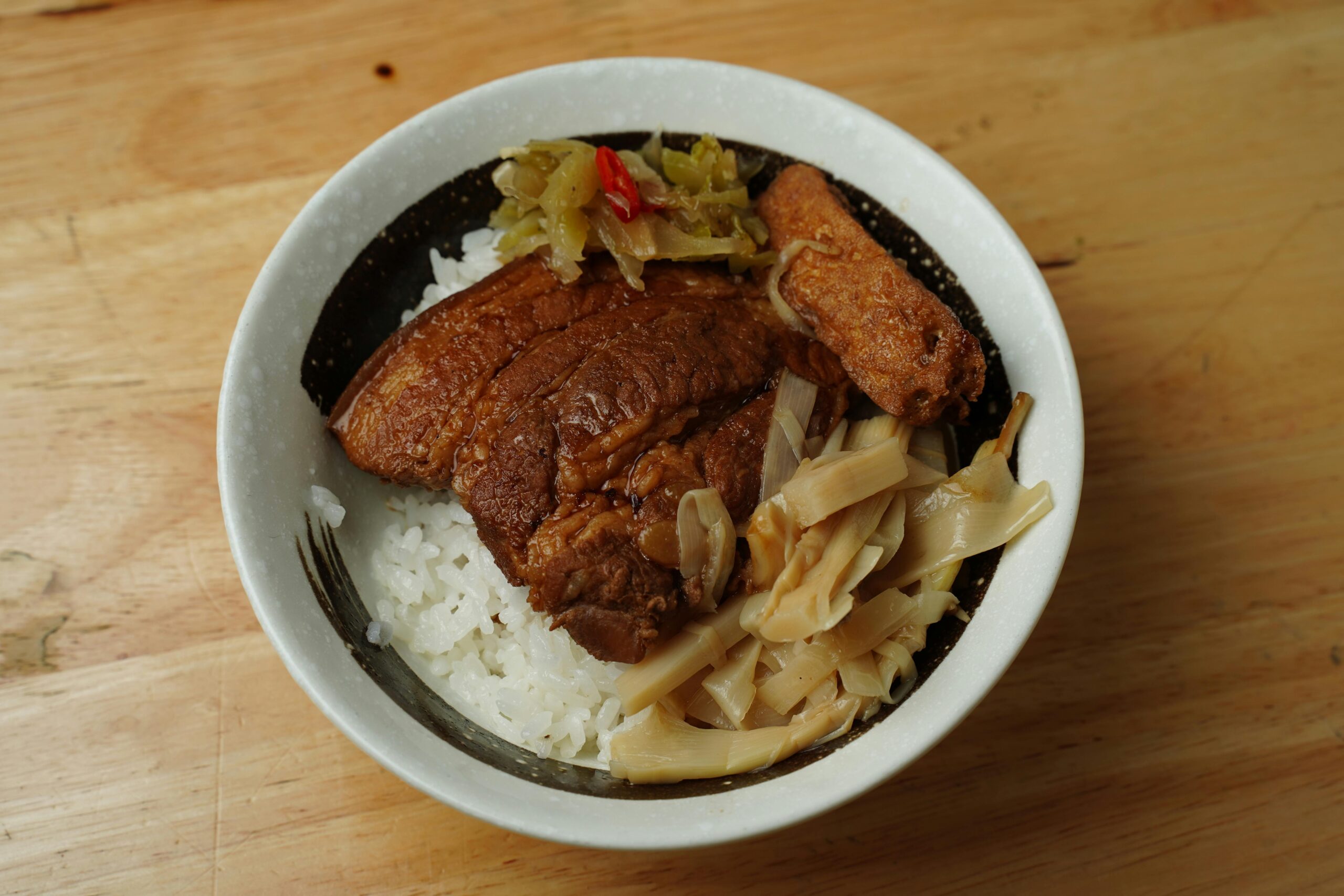
Pork Bamboo Recipe: How to Cook Pork in a Bamboo
Ingredients
- Pork shoulder or pork butt, about 1.5 to 2 pounds, cut into 1 to 1.5 inch cubes
- Onions: 1 medium, finely chopped
- Garlic: 4 cloves, minced
- Ginger: a thumb-sized piece, grated
- Green chilies: 2, sliced (adjust to heat preference)
- Tomatoes: 1 medium, chopped (optional for slight acidity)
- Ground spices: coriander, cumin, turmeric, chili powder or Kashmiri chili for color, and a pinch of cinnamon
- Whole spices: 4–6 whole cloves, 4–5 green cardamom pods, a small piece of cinnamon stick, and a bay leaf
- Mustard oil or another neutral cooking oil: 2–3 tablespoons (mustard oil adds a traditional note in Assam-style curries; if unavailable, use vegetable oil and a teaspoon of mustard seeds for aroma)
- Salt to taste
- Liquid: chicken or vegetable stock, or water; coconut milk can be added for richness at the end if desired
- Fresh herbs: cilantro or parsley for garnish
- Optional tang: a tablespoon of tamarind paste or a squeeze of lime juice to brighten the dish
Short Introduction
Pork cooked in bamboo infuses a gentle sweetness and a subtle smoky aroma. This curry merges traditional bamboo cooking with a rich, spice-forward sauce, delivering tender pork bathed in aromatics that pair beautifully with rice or flatbreads. The dish showcases a comforting, balanced profile with depth from whole spices and a bright finish from citrus or tamarind.
Step-by-Step Method
1) Marinade and sear: In a bowl, combine a pinch of salt with half of the chopped onions, garlic, and ginger. Add a small amount of turmeric and a bit of paprika or chili powder. Toss the pork cubes in this mixture and let them rest for 15 to 20 minutes. Heat oil in the cooking vessel over medium-high heat, then sear the pork cubes in batches until they are evenly browned. The browning locks in flavors and adds depth to the final curry.
2) Build the curry base: In the same pot, add the remaining onions and sauté until translucent and lightly golden. Stir in garlic and ginger, allowing their fragrance to bloom. Add the ground spices—coriander, cumin, turmeric, and chili powder—cooking for a minute to awaken their oils. If using tomatoes, add them now and cook until they break down and release their sweetness.
3) Combine and simmer: Return the browned pork to the pot. Mix well to coat the meat with the spice mixture. Pour in enough stock or water to just cover the meat. If using coconut milk, this is the moment to add a splash for richness. Add the whole spices (cloves, cardamom, bay leaf, cinnamon) and bring to a gentle simmer. Reduce heat to low, cover, and let the curry cook slowly for 45 minutes to 1 hour, until the meat is tender and the sauce has thickened. Check occasionally and stir to prevent sticking.
4) Bamboo assembly and steam finish (if using bamboo): If the bamboo vessel is prepared, transfer the curry into the bamboo and seal the ends. Place the filled bamboo in a steamer or a pot with a lid and a little water at the bottom. Steam for about 25 to 35 minutes, depending on the size of the meat pieces and the thickness of the curry. The steam will infuse the meat with a gentle aromatic breeze from the bamboo and the spices. If using a pot only, keep the lid on and simmer gently until the pork is tender and the sauce adheres to the meat. The goal is slow, even cooking with minimal agitation, so the flavors mingle without breaking the meat apart.
5) Finishing touches: Once the pork is tender, taste the curry and adjust salt if needed. If the dish feels flat, a little tamarind paste or a squeeze of lime can provide a welcomed brightness that cuts through the richness. A handful of chopped fresh herbs added at the end brings a hint of freshness that balances the deep curry. If preferred, finish with a splash of coconut milk for a silkier texture, then heat through just briefly.
6) Serving suggestions: The curry pairs beautifully with steamed jasmine rice, fragrant basmati, or flatbreads warmed on a griddle. A crisp cucumber salad or shredded cabbage dressed with lime juice and a touch of salt adds a refreshing contrast. For a more complete meal, include a simple lentil soup or a tangy tomato relish as an accompaniment. The bamboo-infused pork curry shines best when served hot and enjoyed with friends and family, allowing the aroma to fill the dining space and invite conversation about flavors and memories.
Aromatics and spice balance tips
The pork picks up warmth from the spices while the bamboo contributes a subtle sweetness and smoky note. Balance the spices so that coriander and cumin provide earthy warmth, turmeric offers color and mild bitterness, and chili adds heat. The optional tamarind or lime adds a tangy lift that makes the dish more complex, reminiscent of Assam-style dishes that blend sour elements with robust spice.
Important notes for bamboo cooking
If using bamboo, soak the tubes in water for at least 30 minutes to prevent cracking during cooking. Wipe dry and fill with the prepared curry just before sealing the ends with banana leaves or foil. The key is a closed environment where steam circulates and the aroma of the spice penetrates the meat.
Cooking Tips & Variations
- Coconut milk version: Use coconut milk as the main cooking liquid to create a creamier curry. This variation suits a richer weekend meal; finish with fresh herbs for brightness.
- Peppery kick: Add a small amount of white or black pepper to the spice mix for sharper heat that lingers.
- Nutty aroma: A tablespoon of roasted fenugreek seeds ground into the powder mix adds mild sweetness and depth.
- Bright and citrusy: A final squeeze of lime or lemon right before serving enhances aroma and cuts through fat for balance.
Serving Suggestions
- Steamed jasmine rice
- Fragrant basmati
- Warm flatbreads
- Cucumber salad or shredded cabbage with lime
- A simple lentil soup or tangy tomato relish as accompaniment
Storage Instructions
Leftover curry stores well in the refrigerator for up to three days. Reheat gently on the stove, adding a splash of stock or water if the sauce thickens too much. Do not overheat, as this can dry the pork. Flavors often improve after a day as spices mellow and meat absorbs more sauce. For gatherings, portion into individual containers and reheat slowly to preserve moisture and texture.
Nutrition Information
Nutrition information is not provided in the source. Please refer to standard nutrition estimates based on the final recipe portions if needed for dietary planning.
FAQs
Is bamboo cooking safe for pork? The method uses bamboo as a cooking vessel to impart aroma and moisture; ensure bamboo is prepared properly (soaked, sealed) and cooked through to a safe internal temperature.
What cut of pork works best? A well-marbled cut such as pork shoulder or pork butt yields tender results after slow cooking.
Can I substitute bamboo with a regular pot? Yes. Use a sturdy Dutch oven or heavy skillet with a tight-fitting lid and follow the same simmering times.
Do I need to soak bamboo tubes? Soaking helps prevent cracking and aids steam generation. Soak for at least 30 minutes before use.
Can I skip coconut milk? Yes, you can omit coconut milk and use stock or water, adjusting seasoning to taste.
How long should the curry simmer? About 45 minutes to 1 hour at a gentle simmer, until pork is tender and sauce thickens.
What heat level is appropriate? Adjust green chilies and chili powder to your heat preference; start milder and increase gradually.
What are good accompaniments? Steamed rice, basmati or jasmine, flatbreads, cucumber salad, and optionally lentil soup or tomato relish.
Can I make this ahead? Yes, flavors often deepen with time; reheat gently to preserve moisture.
Is tamarind essential? It adds brightness but can be substituted with lime juice for a similar tang.
Can I freeze the curry? Freezing is possible; thaw and reheat gently, adding a splash of stock if needed.
What ensures the bamboo aroma comes through? Proper soaking, sealing, and controlled steaming help the spice aroma infuse the meat.
