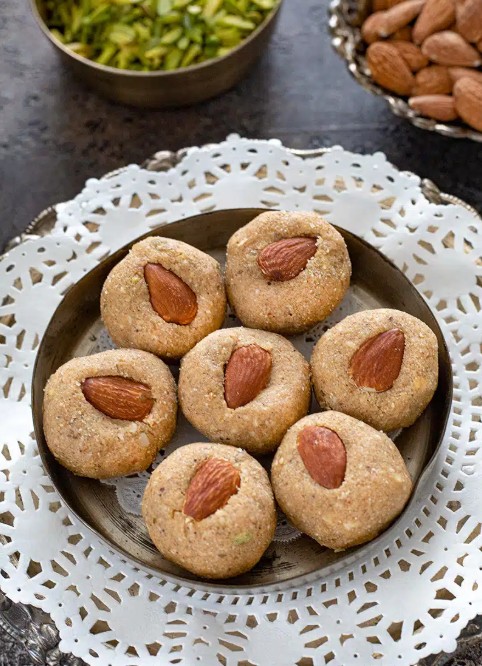
Punjabi Atta Pinni: A Cozy Winter Treat
Winter is a season that invites comfort and nostalgia, a time when the kitchen becomes a sanctuary and the air fills with the gentle aroma of ghee, roasted flour, and dried fruits. There is a traditional sweet that often appears in homes during the cold months, a treat that carries the flavor of home and the memory of loved ones who taught us to savor simple things. This is the Punjabi Atta Pinni, a warm, hearty delicacy made with whole wheat flour, desi ghee, edible gum, and a generous mix of dry fruits. It is not merely a dessert; it is a small parcel of warmth and energy, perfect for chilly evenings, for sharing with family, and for enjoying a moment of quiet sweetness that feels like a hug in a bite sized form. The preparation is a mindful ritual that respects tradition while inviting a touch of experimentation for modern kitchens. In the pages that follow, you will find a gentle walk through the ingredients, the method, the textures, and the countless tiny decisions that transform everyday staples into a comforting pinni that carries the essence of home across generations.
Ingredients
- Whole wheat flour (atta)
- Desi ghee
- Gond (edible gum)
- Dry fruits (almonds, cashews, pistachios, raisins)
- Cardamom powder
- Saffron (optional)
- Nutmeg (optional)
- Sugar or jaggery
- Salt (optional)
- Sesame seeds, shredded coconut, or melon seeds (optional toppings)
- Warm milk (optional, for binding)
Short Introduction
Winter-inspired, this Punjabi Atta Pinni is a warm, comforting bite that brings together whole wheat, ghee, and a mix of dry fruits for a traditional winter treat. It embodies the spirit of home and family, offering nourishment and a gentle sweetness in every bite.
Step-by-Step Method
- Start by heating the ghee in a wide, heavy pan until it is fully melted and shimmering. Add the gond and let it crackle gently, stirring until it begins to puff and release a delicate aroma. This step is crucial, as it ensures the gum is evenly heated and distributed, becoming soft enough to blend harmoniously with the rest of the mixture.
- In a separate pan, roast the atta in a portion of ghee, stirring constantly to avoid burning, until the flour takes on a deep golden color and a toasty scent fills the kitchen. The flour should be roasted evenly, so that no lumps remain and the aroma is balanced, not scorched.
- Once the flour is ready, transfer it to the pan with the gond and the melted ghee. The mixture will be quite hot, and this is expected; the heat helps to release the flavors and sets the foundation for binding.
- Fold in the dry fruits, keeping the mixture moving so they distribute evenly and do not settle in one corner of the pan. The texture at this stage is a bit crumbly, which is a good sign, indicating that the ghee, gond, and flour are combining to yield a cohesive dough once handled.
- Continue to stir and slowly add more ghee if the mixture seems dry. The goal is to achieve a soft, pliable dough that holds its shape when pressed but remains supple enough to roll and flatten into small discs.
- Add the cardamom powder and any optional flavorings like saffron or nutmeg. A small pinch of salt can be included here to balance the sweetness if desired.
- When the mixture has formed a cohesive dough, turn off the heat and let it cool just enough to handle. The traditional method uses the warmth of the material to help shape the pinni, so you want the mixture to be warm but not scorching.
- With clean palms, pinch off a portion of the dough and roll it between the hands to form a neat, compact ball. Then flatten each ball gently to create a round disc, a pinni, with a thickness that is easy to bite through. The shape is flexible; some prefer a slightly thicker pinni that yields a soft center, others go for a very compact disc that remains firm when set.
- Place the formed pinnis on a plate lined with parchment or a clean tray and allow them to cool completely before transferring to an airtight container. The cooling step is essential for achieving the desired texture, as the pinni firm up as they lose heat.
- There are several notes and tips that can help ensure a successful result. First, do not rush the roasting stage for the flour or the gond. Slow, even heat is the key to unlocking the full flavor and avoiding a burnt taste. Second, use good quality ghee because its fragrance and rich mouthfeel will define the pinni more than any other ingredient. Third, measure the sugar or jaggery carefully; too much sweetness can overwhelm the nutty flavors of the flour and ghee. If using jaggery, grate it finely so it dissolves more easily and blends into the dough without leaving gritty crystals. Fourth, consider making a small batch first to test the texture and sweetness, then scale up for larger gatherings or for gifting. Fifth, store the finished pinnis in an airtight container in a cool, dry place. They stay fresh for up to two or three weeks in favorable winter conditions, and longer if kept refrigerated. In warmer weather they may soften more quickly, so refrigeration can help preserve their shape and texture.
- There is also room for creativity within this classic recipe. If you wish to make a version with a higher fiber content, you can experiment with a blend of atta and a small portion of jowar or bajra flour, combined with extra seeds and nuts. If the intention is to reduce refined sugar, jaggery is a natural option that complements the roasted wheat and ghee beautifully, giving the pinni a caramel like sweetness. A few sesame seeds can be added for extra crunch and a subtle toasted note. For those who enjoy a lighter texture, you might reduce the quantity of ghee by a small amount and replace part of it with warm milk to bind the dough, though this will alter the firmness and longevity of the final product. The possibilities are many, but the heart remains the same: a simple mix of pantry staples transformed into a comforting winter bite.
- Leftover pinnis offer a second chance to enjoy this flavor. Crumble a few pieces into warm milk to create a quick, aromatic dessert, or crumble into a mug of hot tea for a fragrant, spiced milky drink. Some people enjoy crumbling them into yogurt for a quick, wholesome snack. If there are pinnis left after a festival or a family gathering, they can be repurposed for a new treat by grinding them into a coarse powder and mixing with milk and additional spices to create a milky drink or a creamy dessert base. The goal is to celebrate what remains rather than discarding it, turning leftovers into something comforting once more.
Shaping and Setting
Temperature and Texture Checks
- Ensure the dough is soft enough to hold shape but firm enough to set when cooled.
- If the mixture seems dry, add a little more ghee; if too soft, warm it gently on low heat just enough to bring it back together.
- Allow the discs to cool completely before storing to preserve texture.
Cooking Tips & Variations
- Roast the flour and gond slowly over medium to low heat for best aroma and even texture.
- Use good quality ghee for a richer fragrance and mouthfeel.
- Adjust sweetness with sugar or jaggery to suit your preference; jaggery provides caramel-like depth.
- Consider saffron or nutmeg for warming notes, or keep it pure to highlight the core ingredients.
- For higher fiber, blend atta with a small portion of jowar or bajra flour and add extra seeds and nuts.
- Reduce ghee slightly and bind with warm milk for a lighter texture, understanding this may affect shelf life.
- Leftovers can be crumbled into warm milk, yogurt, or tea for quick treats.
Serving Suggestions
Pairs beautifully with a cup of hot tea or milk. Serve as a comforting winter snack during gatherings or festive occasions, and offer to guests as a small bite of tradition.
Storage Instructions
Store in an airtight container in a cool, dry place. They stay fresh for up to two or three weeks in favorable winter conditions and longer if refrigerated. In warmer weather, refrigeration helps preserve their shape and texture.
Nutrition Information
Atta Pinni is rich in fats from ghee and fats from nuts, with fiber from whole wheat flour and a goodness from a mix of dry fruits. The texture and ingredients provide a wholesome, energy-dense snack that carries traditional flavors and satisfies a craving for something comforting in cold weather.
FAQs
What is Atta Pinni?
Atta Pinni is a traditional Punjabi winter bite made from roasted whole wheat flour (atta), ghee, edible gum, and mixed dry fruits, formed into small discs.
What is gond?
Gond is edible gum that provides a chewy, elastic texture when heated with ghee, contributing to the overall structure of the pinni.
Can I use other flours?
The core recipe uses atta; you may experiment with small portions of other flours to adjust texture, but this changes the traditional profile.
How should I store Atta Pinni?
Store in an airtight container in a cool, dry place. They keep for weeks in winter and longer if refrigerated.
Can I make it without ghee?
Ghee provides the signature richness; you may substitute with a neutral oil, but flavor and binding may differ.
Is it suitable for all ages?
Yes, it is generally suitable for all ages, though portion size should be considered for very young children due to fat content.
How can I adjust sweetness?
Choose sugar or jaggery according to your taste; jaggery offers caramel-like depth while sugar keeps it crisper.
What if the dough is too stiff?
Add a little warm ghee or a splash of warm milk to loosen it, then continue shaping.
What if the dough is too soft?
Return the mixture to low heat for a few minutes while stirring to dry it slightly.
Can I freeze Atta Pinni?
Freezing is not traditional; however, you can refrigerate for longer shelf life and reheat gently before serving.
Can I add coconut or sesame seeds?
Yes, both can be added for extra texture and flavor, keeping in mind they may alter texture slightly.
Why does the texture need to be crumbly at first?
Crumbly texture indicates the ghee, gond, and flour are beginning to come together into a cohesive dough as it binds.
