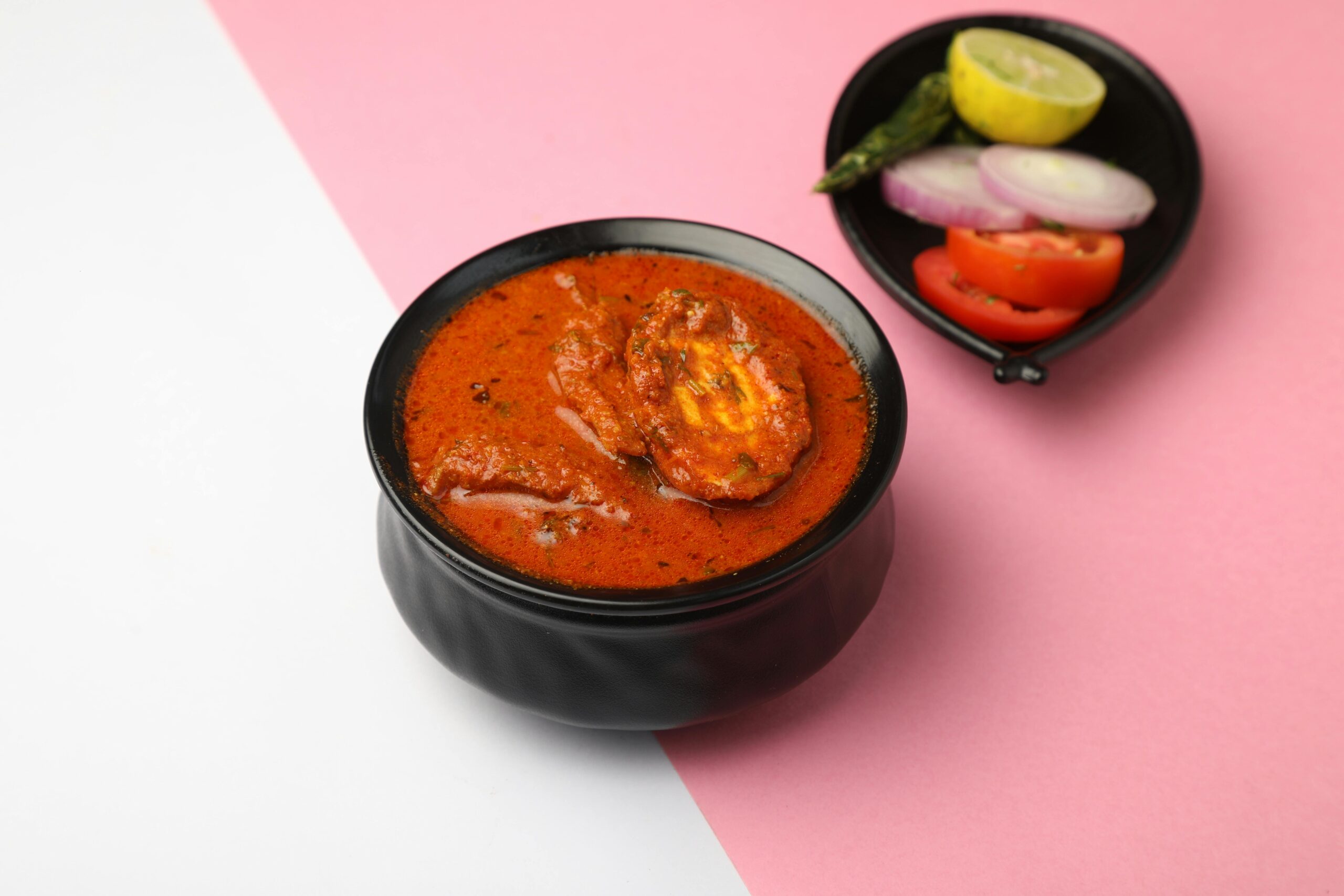
Egg Curry Konir Dom: Assamese Anda Masala Recipe
Short Introduction
Eggs are a versatile and comforting protein that shine in a warm, aromatic curry. In Assamese cuisine, Konir Dom or Anda Masala showcases eggs soaking up bold spices while staying tender. This recipe guides you through a fragrant, balanced curry that works beautifully for family dinners or a cozy weeknight meal.
Ingredients
- Eggs: six large eggs, hard-boiled and peeled.
- Onions: two medium, finely chopped.
- Garlic: four cloves, minced.
- Ginger: one tablespoon, grated or finely minced.
- Tomatoes: two medium, chopped or one cup of tomato puree.
- Mustard oil: two to three tablespoons. If mustard oil is not available, substitute with another neutral oil, but the distinctive aroma of mustard oil adds authenticity to the dish.
- Cumin seeds: one teaspoon.
- Coriander powder: one and a half teaspoons.
- Turmeric powder: half a teaspoon.
- Red chili powder: one teaspoon, or to taste.
- Garam masala: half a teaspoon.
- Salt: to taste.
- Water or stock: as needed to achieve the desired curry consistency.
- Fresh cilantro (coriander leaves): a small handful, chopped.
- Optional: green chilies (slit) for extra heat, and a squeeze of lemon juice for brightness.
- Optional garnish: a pinch of sugar or jaggery to balance acidity, if you prefer a slightly sweeter undertone.
Equipment you may find handy
- A heavy-bottomed pan or kadai
- A wooden spatula for stirring
- A sharp knife
- A chopping board
- A pot for boiling eggs
- A spoon for measuring spices
Step-by-Step Method
Prepare the eggs and base
Place the eggs in a pot and cover with water. Bring to a gentle boil and cook for about six to eight minutes for a firm interior. Remove the eggs, cool them under cold water, and peel carefully. Set aside. This step helps the eggs hold their shape during simmering.
Start the masala
In a heavy-bottomed pan, heat the mustard oil until hot but not smoking. Add the cumin seeds and let them sizzle for a few seconds, releasing their aroma. Add the chopped onions and sauté until they turn golden brown and soft. This deep color provides a base of sweetness to balance the spices.
Build the flavor base
Stir in the garlic and ginger, cooking for another minute until fragrant. Add turmeric powder, coriander powder, and red chili powder. Mix well to coat the aromatics with the spices. The spices should bloom in the oil, releasing their oils and flavors into the fat.
Add tomato and simmer
Add the chopped tomatoes or tomato puree. Cook this mixture, stirring occasionally, until the tomatoes break down and the oil begins to separate from the masala. This indicates the base is ready for the next stage. If you prefer a smoother sauce, you can blend the tomato portion briefly before continuing.
Create the curry
Pour in a cup of water or stock to loosen the masala to your desired consistency. Bring the mixture to a gentle simmer. Add salt to taste and, if desired, a pinch of sugar or jaggery to balance acidity. Simmer gently for several minutes, allowing the flavors to meld.
Add the eggs
Gently place the peeled eggs into the simmering curry. Spoon the sauce over the eggs to coat them, and let them warm through in the flavorful liquid. Do not boil vigorously at this stage, or the eggs may crack and the texture could become mealy. A slow simmer preserves the eggs’ integrity and lets them absorb the flavors.
Finish with spice and aroma
Sprinkle garam masala over the curry and adjust salt if needed. If you enjoy extra heat, add green chilies or a touch more chili powder. Cook for a few more minutes so the flavors meld and the oil rises slightly on top, signaling a well-seasoned dish.
Garnish and serve
Turn off the heat and scatter chopped cilantro over the curry. A squeeze of lemon juice at the end can brighten the dish, but this is optional depending on your preference for acidity. The curry should be rich, aromatic, and slightly saucy, with the eggs shining in the center as little parcels of protein ready to be dipped into the sauce.
Cooking Tips & Variations
- For a milder version, reduce red chili powder and green chilies. You can always adjust heat at the end.
- If mustard oil is too strong for your taste, use a neutral oil but consider a touch of sesame oil for depth.
- Chickpeas or paneer can be added to the same masala base for a different protein profile while preserving the flavor balance.
- Balance acidity with a touch of jaggery or sugar; this helps counteract the tang of tomato in some batches.
- Fresh cilantro is ideal for garnish; if unavailable, parsley can provide a similar color contrast and brightness.
Serving Suggestions
Pair this egg curry with steamed basmati rice or flatbreads like roti, chapati, or paratha. Add a side of lightly pickled vegetables, a cucumber-onion salad, or a simple lentil dal to create a complete meal. In a traditional Assamese setting, a small yogurt portion can help balance heat and enrich the meal.
Storage Instructions
Leftovers can be refrigerated in an airtight container for up to two days. Reheat gently on the stove over low heat, adding a splash of water if the sauce has thickened. The flavors often deepen with rest. Do not freeze eggs in curry for long-term storage, as texture may deteriorate upon thawing.
Nutrition Information
Eggs provide high-quality protein and nutrients like choline and vitamin D. When paired with tomatoes, onions, and whole grains, this dish offers a balanced meal. Spices contribute aroma and potential digestive benefits. To reduce fat, adjust oil quantity or use a leaner cooking method while preserving flavor.
FAQs
What is Konir Dom?
Konir Dom, also known as Anda Masala, is a traditional Assamese egg curry where hard-boiled eggs are simmered in a spiced tomato-onion gravy often flavored with mustard oil.
Can I use regular oil instead of mustard oil?
Yes, you can substitute a neutral oil, but the distinctive aroma and sharpness of mustard oil are part of the dish’s authentic character.
How many eggs are used in this recipe?
Six large eggs are used, hard-boiled, peeled, and added to the curry.
Can I prepare this curry without spices if I have a sensitive palate?
The dish relies on a balanced spice profile; you can reduce chili powder and cumin slightly, but not omit the masala entirely.
What can I serve with Konir Dom for a complete meal?
Steamed basmati rice or flatbreads such as roti, chapati, or paratha pair beautifully; a cucumber-onion salad and a simple dal complement the flavors.
Is this dish suitable for a vegan option?
This particular recipe uses eggs, so it is not vegan. You can adapt the masala to a chickpea or paneer version for a plant-based alternative.
How spicy is this curry?
The heat can be adjusted using red chili powder and green chilies; start with a smaller amount and taste as you go.
Can I skip green chilies if I don’t like extra heat?
Yes, omit green chilies and rely on the other spices to build flavor.
How long does it take to prepare this dish from start to finish?
Preparation and cooking typically take about 40 to 50 minutes, depending on your pace and kitchen setup.
What is the best way to reheat leftovers?
Reheat gently on the stove over low heat, with a splash of water if the sauce thickens.
Can I freeze the curry with eggs?
Freezing is not recommended for eggs in curry, as the texture may degrade after thawing.
How do I adjust tanginess from tomatoes?
If the tomatoes taste overly tart, balance with a pinch of sugar or jaggery to achieve a smoother, rounded acidity.
What should I do if the oil separates from the masala?
Simmer a little longer to allow the flavors to meld; stirring gently can help reincorporate the oil.
